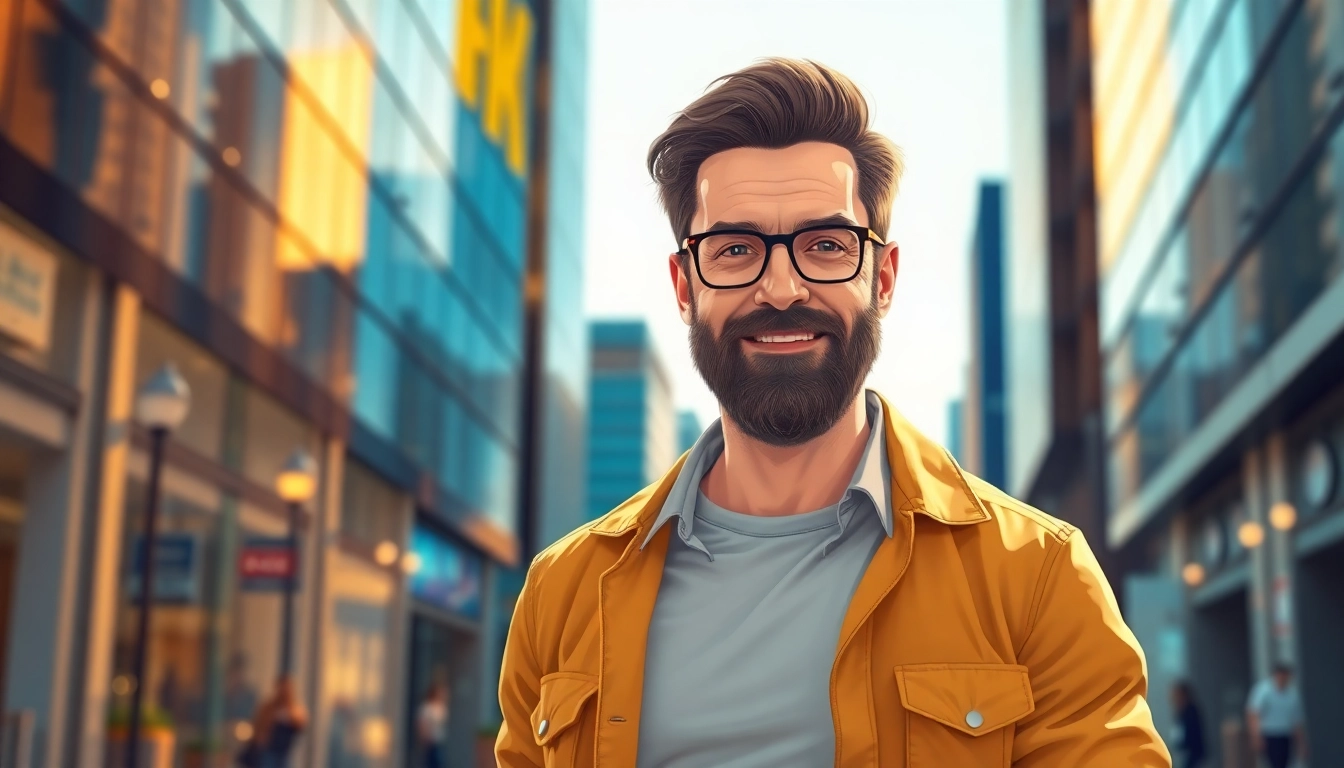
Introduction to the DILF Term: Origins and Meaning
The term dilf is a colloquial acronym that has gained widespread popularity in modern culture, particularly within internet communities and media. Standing for “Dad/Daddy I’d Like to F*,” this phrase is used to describe an older, often more mature man who is considered sexually attractive and appealing. Despite its explicit nature, the term is frequently used humorously or as a compliment, reflecting a blend of admiration and playful acknowledgment of masculinity and attractiveness in older men. Interestingly, a man does not necessarily need to be a biological father to be called a DILF; the label primarily emphasizes maturity, masculinity, and attractiveness, often with a hint of humorous or flirtatious intent.
The origins of the term can be traced back to the same cultural wave that popularized the acronym MILF . Both terms emerged from youth-oriented slang and gained traction in the early 2000s, especially in online communities and pop culture. While MILF became a widely recognized term associated with women who are attractive despite or because of their age, DILF followed suit as a male counterpart, often used to describe rugged, handsome, or charismatic older men who exude a paternal yet alluring charm. The term’s popularity was further fueled by media, film, and internet trends, making it a staple in contemporary discussions of masculinity and attractiveness.
Cultural Significance and Usage in Modern Society
The term dilf has evolved from niche internet slang to a broader cultural phenomenon. Its usage reflects changing perceptions of masculinity and attractiveness, emphasizing that age can be a desirable quality rather than a deterrent. In many societies, youth has traditionally been associated with beauty and sexual appeal; however, the DILF trend challenges this notion, celebrating mature masculinity as equally, if not more, attractive.
In contemporary society, referring to someone as a DILF can serve multiple functions. It can be a straightforward compliment, acknowledging a man’s physical attractiveness, charm, or charisma. It can also be used humorously, often in a teasing or light-hearted manner, highlighting the playful side of modern dating and social interactions. Importantly, the term is not confined solely to romantic or sexual contexts; it also signifies admiration for a man’s confidence, style, and maturity.
Moreover, the DILF concept intersects with discussions on masculinity, aging, and beauty standards. It challenges stereotypical notions that attractiveness diminishes with age, instead promoting a view that older men can embody vitality and appeal. This shift influences media portrayals, advertising, and celebrity culture, where older men are increasingly celebrated for their attractiveness and style, further normalizing the idea that age is not a barrier to desirability.
DILF in Popular Culture: Movies, TV Shows, and Video Games
American Pie Presents: The Book of Love
The American Pie franchise, renowned for its humor and portrayal of youthful sexuality, played a pivotal role in popularizing the term DILF. Specifically, the 2009 movie American Pie Presents: The Book of Love introduced a character that significantly contributed to the term’s mainstream recognition. In the film, Rob’s father is depicted as a charming, attractive older man, embodying many qualities associated with a DILF. His character is portrayed with humor and admiration, emphasizing that attractiveness in older men is both desirable and respectable. The inclusion of this character helped cement the association of the term with older, masculine figures who exude confidence and appeal.
Riverdale’s Fred Andrews
Another notable appearance of the DILF archetype is in the popular television series Riverdale. Since its debut in 2017, the show has depicted Fred Andrews, played by actor Luke Perry, as a quintessential DILF. Fred is characterized by his rugged good looks, maturity, and protective nature—all qualities that resonate with fans who describe him as a DILF. His portrayal adds to the cultural conversation about masculinity, portraying a father figure who embodies strength, kindness, and attractiveness without losing his masculine edge. The character’s popularity among fans illustrates how the DILF archetype has been embraced in modern media, often blending traditional masculinity with contemporary appeal.
Baldur’s Gate’s Daddy Halsin
In the realm of video games, the character known as Daddy Halsin from the acclaimed role-playing game Baldur’s Gate has been affectionately dubbed a DILF by fans. Halsin is depicted as a druid with a protective, strong, and nurturing personality, combined with a physically appealing appearance. The character’s lore emphasizes his role as a guardian of nature and protector of his community, traits that align with the traditional qualities associated with a DILF—strength, maturity, and a caring demeanor. Fans have taken to calling him “Daddy Halsin,” which has further popularized the DILF label in gaming culture. This crossover into gaming underscores the term’s flexibility and its appeal across diverse entertainment mediums.
Internet Culture and Social Media Trends
DILFs of Disneyland Instagram Account
One of the most visible manifestations of the DILF phenomenon in internet culture is the DILFs of Disneyland Instagram account. With over 300,000 followers, this popular social media page curates photos of DILFs enjoying family time at Disneyland, capturing candid moments of older, attractive men engaging with their children and families. The account celebrates the idea that attractiveness and masculinity are not confined to youth, showcasing men who embody confidence, style, and charm while embracing their roles as fathers or paternal figures. This trend has helped normalize the concept of older men as desirable, relatable, and aspirational figures, blending family life with attractiveness in a humorous and heartwarming way.
Reddit Communities and Online Discussions
Online platforms like Reddit have also played a significant role in shaping the DILF phenomenon. The subreddit r/DILFs is a vibrant community where members share photos, memes, and discussions centered around attractive older men. With nearly 100,000 members, this NSFW community fosters an environment where admiration for mature masculinity is expressed openly and enthusiastically. Discussions often touch on what defines a DILF, sharing personal preferences, and celebrating the diversity of older men’s attractiveness. Such online communities have contributed to the broader acceptance and normalization of the term, making it a mainstream part of internet lexicon and culture.
The Impact of the DILF Trend on Beauty Standards and Masculinity
The rise of the DILF phenomenon has significant implications for societal standards of beauty and masculinity. Traditionally, Western beauty standards have emphasized youth, smooth skin, and a certain level of physical perfection, often marginalizing older men. However, the popularity of DILF characters in media and online spaces challenges these stereotypes, promoting a more inclusive view that celebrates maturity, strength, and confidence as desirable traits regardless of age.
This shift influences how men perceive aging and masculinity. Instead of viewing aging as a decline, many now see it as an opportunity to embody qualities such as wisdom, stability, and charisma—attributes that can enhance attractiveness. Fashion, grooming, and lifestyle choices among older men are increasingly influenced by this trend, leading to a broader acceptance of diverse masculinity expressions. The DILF trend encourages a narrative that attractiveness does not diminish with age but evolves, emphasizing that confidence, personality, and self-care are vital components of male appeal.
Conclusion: The Future of the DILF Phenomenon in Media and Culture / Understanding the DILF Phenomenon: A Deep Dive into Popular Culture and Internet Trends
The dilf phenomenon reflects a broader cultural shift towards embracing maturity and diverse representations of masculinity. From its origins in youth-oriented slang to its prominent presence in movies, television, video games, and social media, the term has evolved beyond mere slang into a symbol of confidence, attractiveness, and admiration for older men. Its influence is evident in how media portrayals increasingly celebrate older, masculine figures who embody strength, charm, and charisma.
As society continues to challenge traditional beauty standards, the DILF archetype is likely to become even more mainstream, fostering a culture that values experience and confidence as attractive qualities. The internet’s role in amplifying these trends—through platforms like Instagram and Reddit—has helped normalize and popularize the concept, making it accessible and relatable across generations.
Looking ahead, the future of the DILF phenomenon appears promising. With evolving media portrayals, shifting beauty standards, and an increasing appreciation for diversity in masculinity, the term will probably continue to grow in popularity and significance. Whether used humorously, affectionately, or as a genuine compliment, DILF will remain a cultural touchstone for celebrating mature masculinity and redefining attractiveness in the modern age.
Understanding the dilf phenomenon offers insight into contemporary attitudes towards aging, masculinity, and popular culture. It highlights how language evolves with societal values and how internet communities can shape and amplify cultural trends, ultimately fostering a more inclusive and diverse appreciation of attractiveness across age groups.