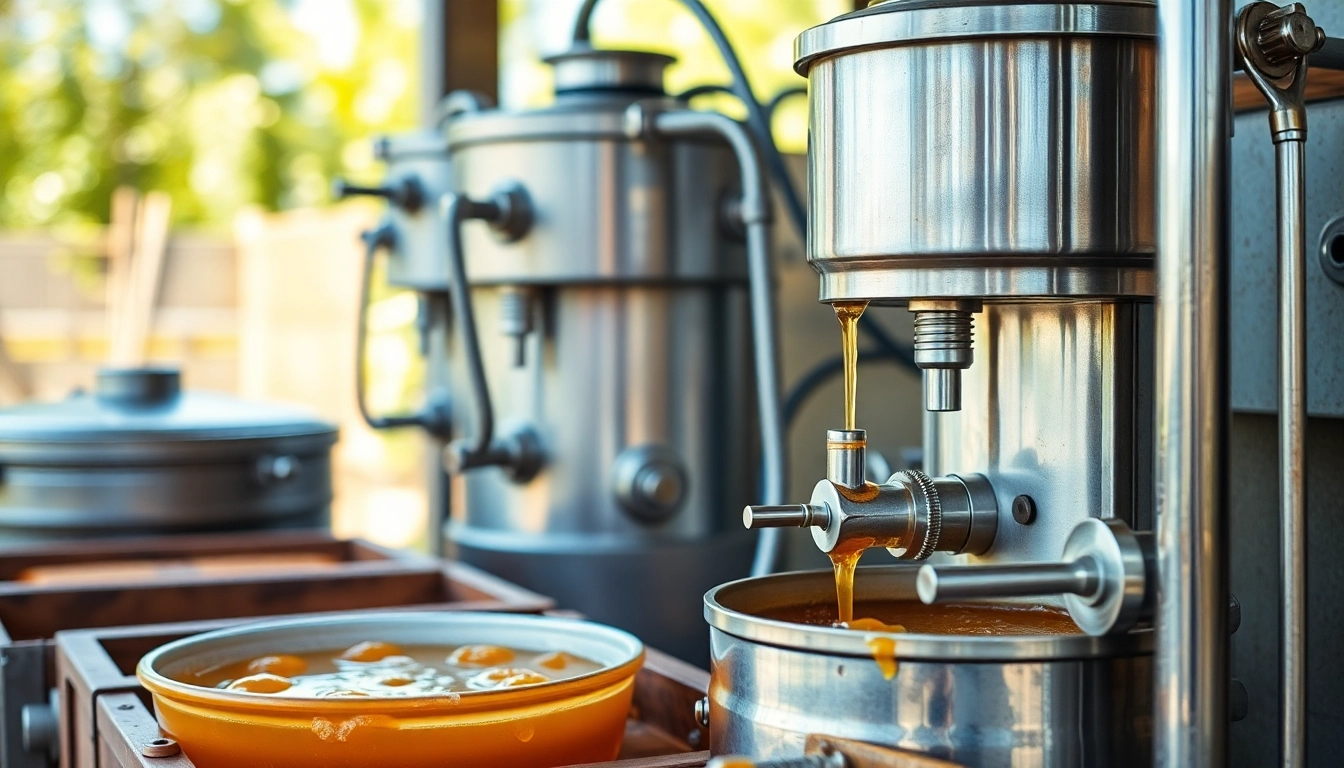
Understanding the Fundamentals of Material and Machinery for Apiculture
Effective apiculture relies heavily on the selection and utilization of high-quality material y maquinaria para apicultura. Beekeepers must equip themselves with reliable tools and equipment to ensure hive health, maximize honey production, and operate efficiently. From protective clothing to sophisticated machinery like honey extractors and storage tanks, each component plays a crucial role in the overall success of an apiary. Developing a comprehensive understanding of these materials and machinery helps beekeepers make informed decisions, reduce losses, and implement best practices that lead to sustainable and profitable honey farming.
Essential Materials for Beekeepers’ Safety and Efficiency
Safety is paramount in apiculture. Protective gear such as bee suits, gloves, and veils shield beekeepers from stings. Modern protective equipment often incorporates durable, lightweight, and breathable materials to enhance comfort during long hours in the apiary. Equally important are tools like smokers, hive tools, and specialized brushes that facilitate hive management without disturbing the colony excessively.
Additional critical materials include hive components such as frames, foundation wax, and queen excluders, which contribute to maintaining healthy brood chambers. For example, high-quality, immunized wooden hive boxes ensure longevity and resistance to environmental factors. The organic materials used in construction, combined with proper maintenance protocols, significantly enhance hive durability and beekeeper safety.
Types of Machinery and Their Roles in Hive Management
Modern apiculture has seen a shift towards automation and mechanization, making machinery indispensable for large-scale operations. Key equipment includes extractors for honey, bidones for storing liquids, and support antigoteo inoxidable systems designed for controlled and hygienic transfer of honey or feed.
Honey extractors, whether manual or electric, dramatically reduce the time and labor involved in harvesting honey. Advanced machinery such as honey basters, capping machines, and centrifugal extractors contribute significantly to efficiency. Additionally, automated filling and packaging equipment improve productivity and ensure product consistency.
Storage solutions, like material y maquinaria para apicultura, include stainless steel drums, such as 300kg or 75kg painted food-grade containers, which are essential for preserving the purity and quality of honey during transit and storage.
How Quality Equipment Boosts Honey Yields and Colony Health
Investing in high-grade machinery and materials directly correlates with increased honey yields and healthier colonies. Durable, corrosion-resistant equipment like support antigoteo inoxidable prevents leaks and contamination, ensuring the operational integrity of honey transfer processes.
Optimized hive components and machinery enable better management of colony conditions, reducing stress and disease prevalence among bees. For instance, precise temperature control in honey processing tanks or centrifuges minimizes product spoilage and enhances quality. Furthermore, modern tools facilitate sanitary practices, crucial for controlling pathogens and maintaining healthy hive environments.
Case studies reveal that beekeepers using premium equipment experience fewer hive losses, higher honey extraction efficiencies, and improved overall productivity, confirming the significant impact of quality machinery.
Key Features to Consider When Choosing Beekeeping Materials & Machinery
Durability and Corrosion Resistance in Equipment Design
Materials such as stainless steel and high-grade plastics are vital for ensuring longevity and safety. Equipment exposed to moisture, honey, and other organic materials must resist corrosion to prevent contamination and frequent replacements. In particular, support antigoteo inoxidable systems, with their anti-leak features, significantly reduce product loss and cross-contamination risks.
Compatibility with Modern Apiary Practices
Equipment must align with contemporary beekeeping techniques, including hive automation, integrated pest management, and sustainable practices. Modular machinery allows for scalability, easy maintenance, and integration with technological tools like hive monitoring sensors.
Cost-Effectiveness and Maintenance Requirements
While high-quality machinery may entail higher initial investments, the long-term savings on repairs, downtime, and lost yields justify the expense. Choosing machinery with low maintenance needs, readily available spare parts, and straightforward cleaning protocols enhances operational efficiency.
Step-by-Step Guide to Setting Up Your Apiary with the Right Equipment
Selecting the Appropriate Bidones and Honey Containers
Start by assessing your production scale. For small operations, 25kg metal cubes for honey or 75kg painted food-grade drums are sufficient. Larger operations benefit from 300kg stainless steel tanks, which facilitate bulk storage and processing. Consider sealed, food-grade bidones with support antigoteo inoxidables for hygienic transfer and storage to maintain honey purity.
Installing and Maintaining Support Antigoteo Inoxidables
Proper installation ensures leak-proof operation. Use corrosion-resistant fittings and secure all connections tightly. Regular inspection and cleaning prevent buildup of residues and corrosion, prolonging equipment lifespan. Implement routine maintenance schedules based on manufacturer guidelines to avoid operational failures.
Optimizing Workflows with Precision Tools and Accessories
Integrate tools like cedazos (sieves) for precise honey filtering, and utilize specialized spatulas and scopes for hive inspections. Automation devices, such as honey extractors, streamline honey harvesting, while well-organized storage tanks facilitate easy handling and transportation.
Best Practices for Using and Caring for Beekeeping Equipment
Cleaning and Sanitizing Materials to Ensure Purity
Post-use cleaning with warm water and food-grade disinfectants prevents microbial contamination. Regular sterilization of hive tools and containers ensures honey remains pure and free from disease vectors.
Storage Tips to Prolong Equipment Lifespan
Store equipment in dry, covered areas away from direct sunlight. Properly dried and maintained machinery minimizes rust and material degradation, ensuring readiness for the next season.
Understanding Common Troubleshooting and Repairs
Be aware of signs such as leaks, corrosion, or mechanical failures. Keep spare parts on hand and follow manufacturer instructions for repairs. Routine checks help identify issues early, preventing costly downtimes.
Performance Metrics and Improving Apiary Productivity
Tracking Honey Yield Improvements Through Quality Gear
Use data logging tools and record-keeping to monitor yields per hive over time. Comparing results before and after equipment upgrades reveals the impact of machinery quality on overall productivity.
Monitoring Hive Health and Equipment Conditions
Regular hive inspections combined with equipment condition assessments help diagnose issues early. Maintaining clean, functional machinery ensures optimal hive environments and prevents product spoilage.
Continuously Upgrading Your Materials and Machinery for Better Results
Stay informed about technological advancements and new product releases. Periodic upgrades, such as replacing outdated tanks or enhancing honey extraction systems, elevate hive efficiency and honey quality, leading to sustained success.